Pregnancy
A healthy, balanced diet during pregnancy plays a vital role in supporting both the expectant mother’s health and the baby’s growth and development. Good nutrition can also have lasting benefits for the child’s health later in life. Weight gain during pregnancy is a natural and essential part of this process. However, the recommended amount of weight gain depends on several factors, particularly the woman’s Body Mass Index (BMI) before pregnancy. Maintaining an appropriate rate of weight gain is important for supporting a healthy pregnancy and reducing the risk of complications. Pregnancy is generally not the time to follow a restrictive weight-loss diet. Instead, the focus should be on providing the body with the nutrients and energy necessary for both mother and baby.
Recommended Total Weight Gain During Pregnancy
- Underweight (BMI below 18.5): 12.5–18 kg
Recommended weekly weight gain during the second and third trimesters: approximately 0.44–0.58 kg. - Normal Weight (BMI 18.5–24.9): 11.5–16 kg
Recommended weekly weight gain during the second and third trimesters: approximately 0.35–0.50 kg. - Overweight (BMI 25.0–29.9): 7–11.5 kg
Recommended weekly weight gain during the second and third trimesters: approximately 0.23–0.33 kg. - Obesity (BMI 30 or above): 5–9 kg
Recommended weekly weight gain during the second and third trimesters: approximately 0.17–0.27 kg.
Pregnancy Is Not the Time for a Weight-Loss Diet
Weight gain is a normal and important part of pregnancy. This is not the right time to focus on losing weight through restrictive dieting.
In most cases, intentional weight loss during pregnancy is not recommended without specific medical guidance, as inadequate energy and nutrient intake may affect the mother’s health and the baby’s development.
Instead, the priority should be maintaining a balanced, nutrient-rich diet that supports the changing needs of pregnancy.
Women who are overweight or have obesity before pregnancy can still benefit significantly from improving their eating habits, choosing nutritious foods, and maintaining appropriate physical activity under professional guidance.
The goal is not simply to manage weight, but to support a healthy pregnancy for both mother and baby.
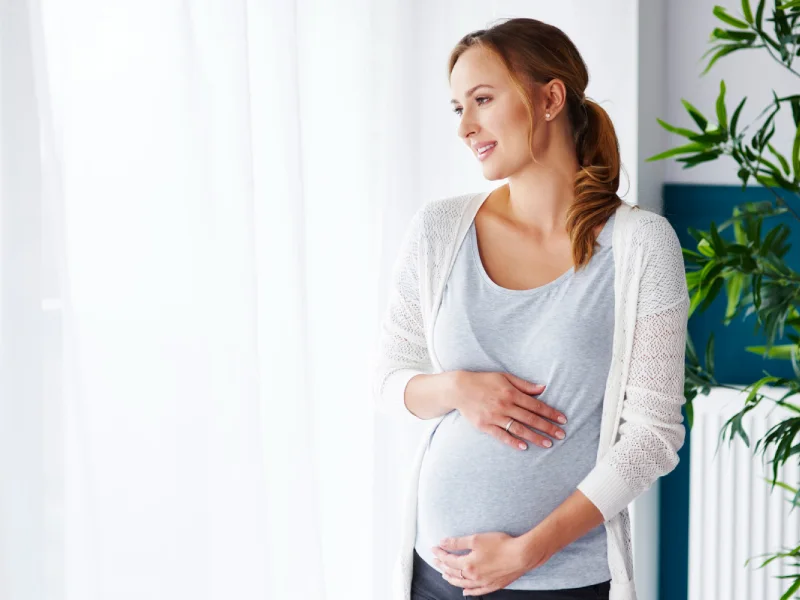

Why Is a Healthy Rate of Weight Gain Important?
During the first trimester, changes in weight are usually relatively small. As pregnancy progresses, especially during the second and third trimesters, weight gain generally becomes more noticeable as the baby grows and the mother’s body adapts.
Maintaining an appropriate rate of weight gain can help:
Support healthy fetal growth and development.
Reduce the risk of complications associated with excessive or insufficient gestational weight gain.
Support healthier weight management after pregnancy.
Reduce the likelihood of certain pregnancy and delivery complications.
Support appropriate birth weight and reduce the risk of having a baby who is too small or too large for gestational age.
Promote the long-term health of both mother and child.
What Can You Eat During Pregnancy?
A healthy pregnancy diet should include a wide variety of nutritious foods, distributed across balanced meals and snacks throughout the day. The aim is to provide sufficient energy, protein, vitamins, minerals, and other essential nutrients for the baby’s development and the mother’s well-being.
Bread, Cereals, Pasta, Rice, Bulgur, Potatoes, and Whole Grains
These foods are important sources of energy and should form part of a balanced pregnancy diet.
Whenever possible, choose whole-grain varieties, such as whole-wheat bread, brown rice, oats, and whole-grain pasta.
They provide:
- Energy to support daily activities and fetal development.
- Essential vitamins and minerals.
- Dietary fiber, which helps maintain healthy digestion and can reduce constipation, a common concern during pregnancy.
Fortified breakfast cereals containing iron and folic acid can also be valuable additions to your diet.
Fruits and Vegetables
Fruits and vegetables are rich in vitamins, minerals, antioxidants, and dietary fiber.
They provide important nutrients, including beta-carotene, vitamin C, folate, and other vitamins that support the immune system and healthy fetal development.
Try to include vegetables or salad with your main meals and choose fresh fruit as a nutritious snack between meals.
Aim for at least five portions of fruits and vegetables each day, choosing a variety of colors and types to obtain a broad range of nutrients.
Always wash fruits and vegetables thoroughly before eating them.
Meat, Poultry, Fish, Legumes, Eggs, and Nuts
These foods provide protein, which is essential for the growth and development of your baby, as well as important nutrients such as iron, zinc, vitamin B12, and choline.
- Choose lean meats and poultry, removing visible fat before cooking.
- Include legumes, such as lentils, beans, and chickpeas, which provide protein, fiber, and minerals.
- Combine plant-based iron sources with foods rich in vitamin C, such as lemon juice, oranges, or bell peppers, to help improve iron absorption.
- Include fully cooked eggs as a source of protein and choline.
- Choose unsalted nuts and seeds as nutritious snacks.
- Include thoroughly cooked, low-mercury fish as part of a balanced diet to provide protein and beneficial omega-3 fatty acids.
Nuts, including peanuts, are generally safe during pregnancy unless you have an allergy or have been specifically advised to avoid them by a healthcare professional.
Milk and Dairy Products
Milk and dairy products are valuable sources of calcium, protein, and, when fortified, vitamin D.
Adequate calcium intake is essential for the development of the baby’s bones and teeth, while also supporting the mother’s bone health.
Choose pasteurized milk, yogurt, and cheese, including reduced-fat varieties if appropriate for your nutritional needs.
Examples of a dairy serving include:
- 1 glass of milk (approximately 250 ml).
- 1 serving of yogurt (approximately 200 g).
- 1 portion of cheese (approximately 30–50 g, depending on the type).
The amount required depends on your overall dietary intake and individual calcium needs.
If you avoid dairy products, calcium-fortified alternatives and other calcium-rich foods can help meet your nutritional requirements.
Fats, Oils, Sugar, and High-Calorie Foods
Healthy fats are an important part of a balanced pregnancy diet. They provide energy and support the absorption of fat-soluble vitamins.
Choose healthier fat sources, such as olive oil, nuts, seeds, and avocados.
Limit foods high in saturated fats, added sugars, and heavily processed ingredients.
For everyday cooking, prefer methods such as:
- Grilling
- Baking
- Boiling
- Steaming
Use olive oil, lemon juice, tomato, herbs, and spices to add flavor to your meals.
Try to limit highly processed snacks such as pastries, biscuits, sweets, chips, and sugary soft drinks.
If you feel hungry between meals, choose nutritious snacks such as:
- Fresh fruit or fruit salad
- Pasteurized yogurt
- Whole-grain toast or crackers
- Breakfast cereals with milk
- A balanced sandwich
- Homemade rice pudding
- Nuts and seeds
Remember that eating during pregnancy is about quality as well as quantity. You do not need to “eat for two,” but you do need to meet your body’s changing nutritional requirements.
Foods Rich in Folate and Folic Acid
Folate is an essential B vitamin that plays a particularly important role in the early development of the baby’s brain and spinal cord.
Adequate folic acid intake before conception and during early pregnancy helps reduce the risk of neural tube defects.
Alongside the folic acid supplements recommended by your healthcare professional, include foods naturally rich in folate, such as:
- Dark green leafy vegetables, including spinach and lettuce.
- Legumes, such as lentils, beans, and chickpeas.
- Oranges and other citrus fruits.
- Nuts and seeds.
- Fortified breakfast cereals.
A healthy diet is important, but food alone may not provide all the folic acid needed during pregnancy. Follow your healthcare professional’s advice regarding prenatal supplements.
Foods to Avoid During Pregnancy
Certain foods can contain harmful bacteria or parasites, including Listeria, Salmonella, and Toxoplasma, which may pose serious risks during pregnancy.
Following appropriate food safety practices is essential for protecting both mother and baby.
Unpasteurized dairy products: Avoid unpasteurized milk and dairy products made from it. Certain soft-ripened cheeses, such as Brie, Camembert, and blue cheeses, should only be consumed when cooked until steaming hot.
Raw or undercooked meat and poultry: Make sure meat and poultry are thoroughly cooked before eating.
Raw or undercooked eggs: Avoid eggs and foods containing raw eggs unless they meet recognized food safety standards. Examples include certain homemade mayonnaise, mousse, and desserts.
Raw seafood and high-mercury fish: Avoid raw shellfish and raw fish. Also avoid fish high in mercury, such as swordfish, shark, and marlin. Choose lower-mercury fish that are properly cooked.
Unwashed fruits and vegetables: Wash all produce thoroughly, especially when it will be eaten raw.
Improperly stored foods: Always check expiration dates, store perishable foods at appropriate temperatures, and reheat leftovers thoroughly.
Liver and liver products: Avoid liver and foods containing liver because they may contain excessive amounts of preformed vitamin A (retinol), which can be harmful to the developing baby.

Limit Caffeine Consumption
Excessive caffeine intake during pregnancy may be associated with an increased risk of pregnancy complications.
It is generally recommended to limit caffeine intake to no more than 200 mg per day.
Sources of caffeine include:
- Coffee
- Black and green tea
- Cola drinks
- Energy drinks
- Chocolate
- Certain supplements and medications
Remember that the caffeine content of drinks can vary considerably depending on their preparation and serving size.