

Weight Gain and Weight Loss



Is It Time for a Fresh Start?
At MyDiet Dietetics and Nutrition Center, you can start your new lifestyle TODAY and become the version of yourself you’ve always wanted to be.
Whether this is the first time you’ve been concerned about your weight or you’ve tried to manage it in the past without achieving the results you hoped for, it’s always worth giving yourself a fresh start.
One thing is certain: you deserve the best possible guidance and support!
I’m here to help you achieve the best possible results.
Nutrition Tips to Help You Lose Weight
There are several reasons why we may experience unwanted weight gain, including:
- Changes in our daily routine and lifestyle
- Changes in exercise habits and a sedentary lifestyle
- Longer or shorter working hours
- Increased stress levels
- Insufficient sleep
- Hormonal changes
These factors can affect not only our emotional well-being but also our overall health and important health indicators.

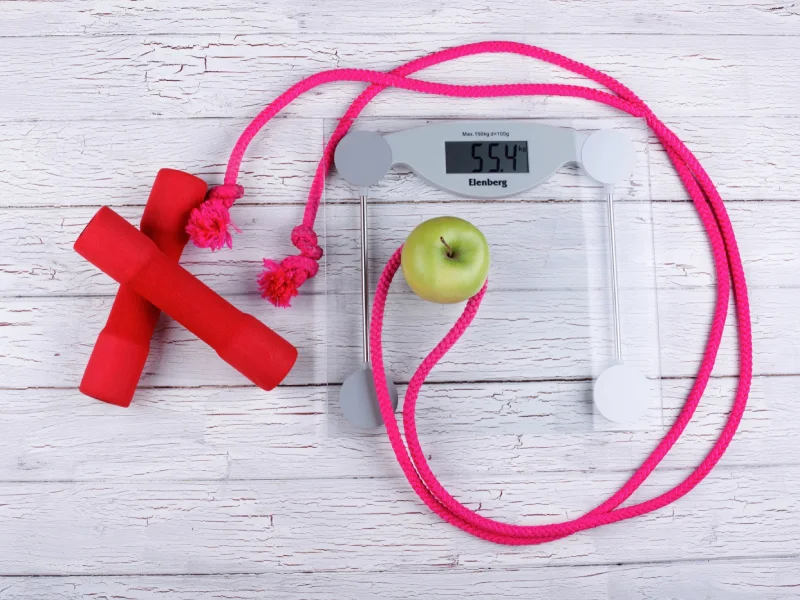
What Can You Do to Lose Weight?
The first and most important step is to identify the underlying cause of your weight gain:
- Is it related to your busy lifestyle?
- Could it be due to a lack of planning and organization when it comes to your daily meals?
- Or could there be an underlying medical or hormonal reason?
Depending on the cause, we will work together to identify the right steps to bring you closer to your goals.
My goal is to help you feel healthy, confident, and comfortable in your own body!
Simple Everyday Steps to Manage Your Weight
Choose a Nutritious Diet
Eat salads every day. They provide essential vitamins and fiber that support healthy digestion and may help reduce the risk of coronary heart disease and certain types of cancer.
Start your day with a nutritious breakfast. It provides your body with the energy needed for a good start and may help prevent unnecessary snacking later in the day.
Stay well hydrated by drinking enough water throughout the day. Around 2 liters of fluids daily may be suitable for many adults, although individual needs vary. Water helps maintain the body’s fluid balance and can provide essential minerals.
Manage Your Weight
Limit your intake of high-fat foods, added sugars, and alcoholic beverages.
Pay attention to portion sizes and adjust them according to your nutritional needs.
Increase your physical activity, even if it’s just a 30-minute walk each day. Remember that combining a balanced diet with regular exercise supports good health, physical fitness, and long-term weight management.
Eat Less Fat
Choose lean cuts of meat and remove visible fat, such as chicken skin.
Limit fried foods and choose healthier cooking methods such as grilling, baking, or steaming.
Reduce your consumption of butter and margarine.
Choose low-fat dairy products when appropriate.
Moderate your consumption of organ meats, such as liver and kidneys, and consider your overall dietary needs when consuming egg yolks.
Limit foods containing high amounts of hidden saturated fats, such as creamy sauces, mayonnaise, pastries, certain desserts, chips, and processed snacks.
Reduce Your Sugar Intake
Avoid or limit foods and beverages high in added sugar, such as sweets, desserts, and soft drinks.
Reduce the amount of sugar used in cooking and baking recipes.
Choose fresh fruit more often instead of canned fruit packed in syrup.
Drink Less Alcohol
Reduce how often you consume alcoholic beverages.
Drink slowly and in moderation.
If you choose to drink alcohol, keep your consumption limited, regardless of the type of alcoholic beverage.
Reserve alcoholic drinks for occasional social events rather than making them part of your daily routine.
Reduce Your Salt Intake
Use less salt when preparing meals and limit foods high in sodium.
Avoid adding extra salt to your food at the table.
Choose fresh or frozen vegetables more often instead of canned or preserved vegetables that may contain added salt.
Limit salty snacks such as chips, crackers, and other processed foods.
Eat Slowly, Mindfully, and at Regular Times
Take your time when eating and enjoy your meals in a calm environment.
Try to maintain a consistent eating schedule throughout the day.
Organize your daily food intake around 2–3 main meals (breakfast, lunch, and dinner) and 1–3 smaller snacks when needed, depending on your appetite, lifestyle, and nutritional requirements.
Pay attention to your body’s hunger and fullness signals to develop healthier, more mindful eating habits.
Nutrition Tips for Healthy Weight Gain
The process of gaining weight can be just as challenging as losing weight when it comes to making lifestyle changes. There are several reasons why someone may have a low body weight. Some are related to underlying medical conditions, such as gastrointestinal issues, while others are associated with lifestyle factors, including demanding work schedules or excessive fatigue.
Whatever the cause, it is important to take a structured and balanced approach to nutrition, ensuring that your body receives the energy and essential nutrients it needs. This can help you achieve healthy and sustainable weight gain.
Gaining weight may be necessary for someone who is underweight. It can also be a specific goal for individuals looking to build muscle mass.
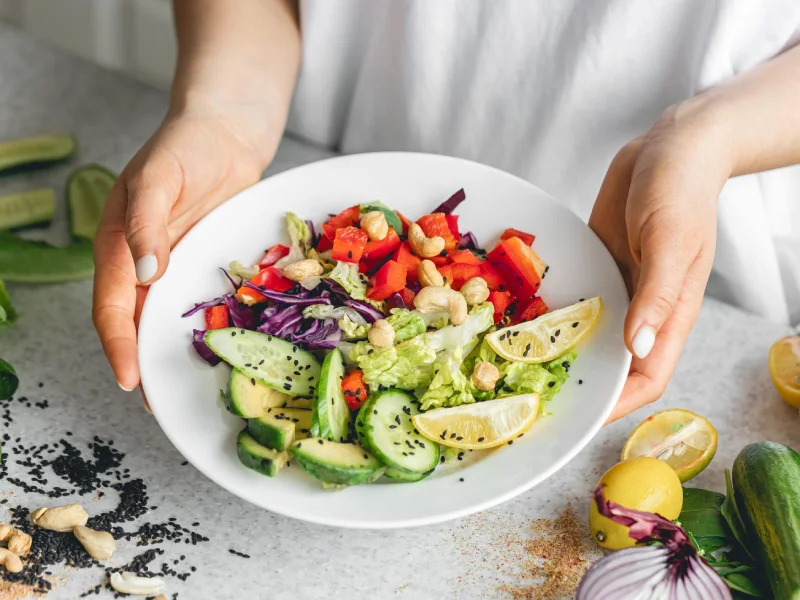

In general, consuming more calories than your body burns will lead to weight gain. However, the additional calorie intake required varies from person to person, depending on factors such as age, metabolism, physical activity, and overall health.
People trying to gain weight should also pay attention to the quality of the foods they consume. For example, eating foods high in added sugar may be an easy way to increase calorie intake, but excessive consumption can also contribute to a higher risk of developing type 2 diabetes.
The key to healthy weight gain is not simply eating more, but eating better. A balanced, nutrient-rich diet, combined with personalized nutritional guidance, can help you reach your goals while supporting your overall health and well-being.
General Tips for Healthy Weight Gain
Eat Five Meals a Day
Eating five meals a day can make it easier to increase your daily calorie intake and provide your body with the energy and nutrients it needs for healthy weight gain.
Smaller, more frequent meals may be particularly helpful for people who struggle with a low appetite.
Exercise Regularly (Especially Strength Training)
Strength training at least three times a week can help build and maintain muscle mass, depending on your fitness level and recovery needs.
To continue building muscle, gradually increase the intensity of your workouts by adjusting the weights you lift, the number of repetitions, or the number of sets. Compound exercises, which engage multiple muscle groups, are particularly effective for muscle development.
People who exercise regularly should pay close attention to their calorie intake to ensure their bodies receive enough energy to support both physical activity and muscle growth.
Consume the Right Amount of Protein
A balanced diet containing adequate protein is essential for supporting muscle growth, recovery, and maintenance.
Foods rich in protein include:
Eggs
Meat and poultry
Fish
Nuts
Legumes, such as beans, lentils, and chickpeas
Include Fiber-Rich Carbohydrates and Healthy Fats in Your Meals
Including foods rich in fiber, complex carbohydrates, and healthy fats in your meals can help increase both your calorie intake and the nutritional value of your diet.
These foods provide essential energy to maintain physical activity and support muscle development. Choose whole-food carbohydrate sources, such as brown rice, whole grains, beans, and legumes, instead of relying heavily on refined and processed foods.
Understanding the difference between healthy and unhealthy fats is important. Healthy fats are primarily monounsaturated and polyunsaturated fats, found in foods such as nuts, avocados, vegetable oils, and fatty fish.
Saturated fats should be consumed in moderation, while industrially produced trans fats should be avoided. These fats can be found in certain fried foods, processed baked goods, and fatty cuts of meat, including beef, pork, and lamb.
Drink High-Calorie, Nutrient-Rich Smoothies
People with a low appetite may find a high-calorie drink or smoothie easier to consume than a large meal. Smoothies are a convenient way to increase calorie and nutrient intake without feeling overly full.
You can add the following ingredients to your smoothies:
Fresh or frozen fruits
Low-fat milk
Milk alternatives, such as coconut or almond milk
Low-fat yogurt
Oats
Nuts and nut butters
Seeds
Avocado
Leafy greens, such as spinach
Don’t Give Up!
Stay patient and persistent, as your body naturally resists changes in weight. A reasonable rate of weight gain is around 0.5 kg per week, although for some people, it may be less.
Respect your body’s natural pace and focus on creating the right conditions that work best for you. Remember, consistency and patience are key to achieving healthy, sustainable results.

What Are the Benefits of a Balanced Diet Tailored Specifically to You?
Beyond achieving your weight management goals and learning how to combine foods for optimal nutrition, a personalized weight loss program has so much more to offer.
Feel Better About Yourself and Your Body.
One of the most commonly reported benefits among people following a balanced diet is an improved sense of well-being. From the moment they wake up in the morning to their daily activities and the way their clothes fit, they often notice a positive difference in how they feel. Many also report having more energy, motivation, and confidence throughout the day.
Improved Sleep Quality.
Improving your eating habits can also have a positive impact on your sleep quality. Whether through better digestive health, improved hormonal balance, or a combination of both, a balanced diet may contribute to more restful sleep, helping you wake up feeling refreshed and energized.
Greater Self-Discipline and Freedom from Food Guilt.
Sometimes, feeling a lack of control over our eating habits can create unnecessary emotional stress. Learning to manage your nutrition in a balanced and mindful way can significantly change how you view food, the importance you give it, and the role it plays in your everyday life.
More importantly, developing a healthier relationship with food means learning to enjoy your choices without guilt or regret. Letting go of food-related guilt can be a truly liberating and refreshing experience!
Better Overall Health.
A balanced diet can have a significant positive impact on your health, often reflected in improvements across various health indicators. Combined with regular physical activity, healthy eating habits play an essential role in reducing the risk of serious chronic conditions, including cardiovascular disease, type 2 diabetes, and certain types of cancer.